
The lower receiver plays a major role in how an AR-style rifle feels and operates during regular use. Many firearm owners focus on barrels and optics first, yet the lower assembly affects trigger control, stock fit, and overall comfort. Interest in custom rifle projects has increased steadily since the late 2010s as more shooters began exploring aftermarket parts and personalized builds. Careful planning helps avoid problems later.
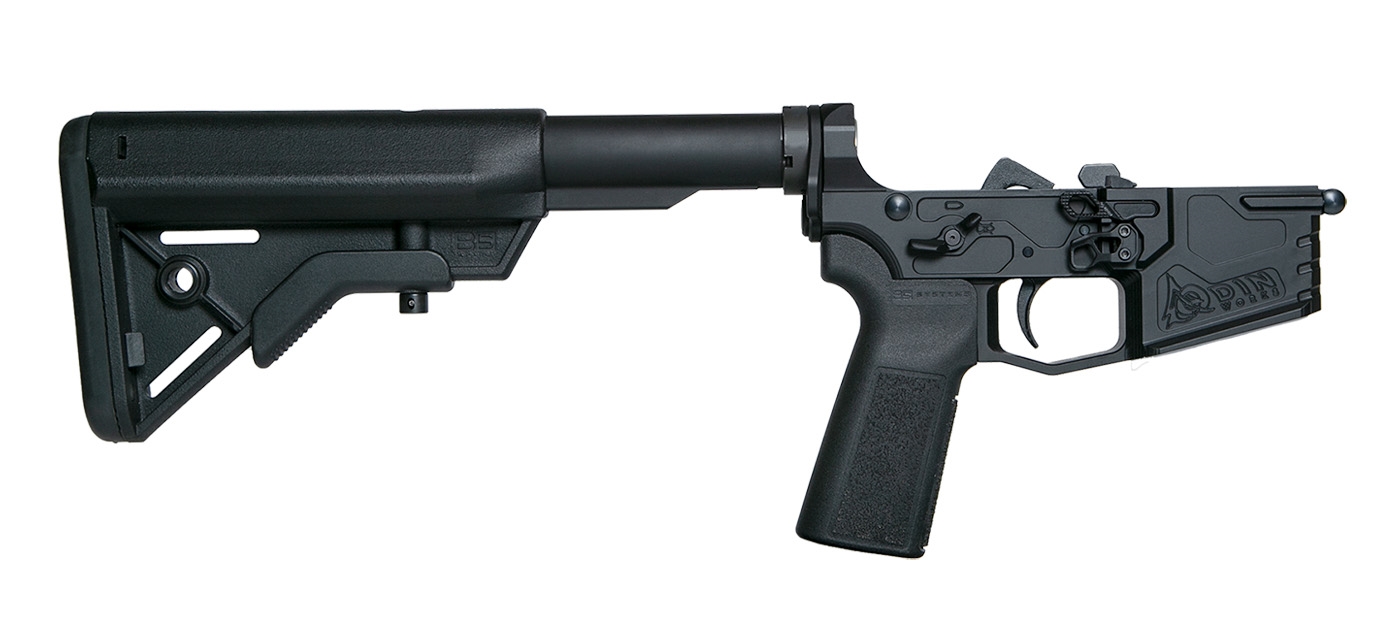
Understanding the Purpose of the Lower Receiver
The lower receiver houses important components such as the trigger group, magazine well, and buffer assembly. These parts work together during every firing cycle, which is why proper installation matters so much. Small alignment issues can affect reliability after only a few magazines at the range. Precision matters here.
Most lowers are made from forged aluminum because it balances strength and manageable weight for daily handling. Billet aluminum options have also become popular among enthusiasts who prefer custom machining patterns and unique styling details. Some lightweight models weigh under 9 ounces before internal parts are installed. Weight affects balance.
Trigger feel can change the shooting experience dramatically. A smoother trigger often helps improve accuracy during slow target practice or timed drills at distances around 50 to 100 yards. Many owners test several trigger styles before deciding which setup feels best for their preferred shooting habits. Personal comfort matters.
Choosing Parts for a Custom Build
Building a rifle requires more than simply collecting random parts from different manufacturers. Buffer tubes, trigger pins, safety selectors, and grip styles all need proper compatibility with the chosen receiver. Some firearm owners spend several weeks researching specifications before beginning assembly work. Good planning saves frustration.
Many enthusiasts compare component kits and receiver assemblies through online suppliers offering products like the ar15 lower for custom rifle projects and replacement builds. Buyers often look at finish quality, trigger compatibility, and machining consistency before making a final decision. One poorly machined pin hole can create fitting issues that require extra work during assembly. Details become important quickly.
The following parts commonly appear in lower receiver builds:
- Single-stage triggers designed for simple and predictable pull weight.
- Adjustable stocks that help fit shooters with different arm lengths.
- Enhanced pistol grips with textured surfaces for improved control.
Tools matter too. Roll pin punches, torque wrenches, and bench blocks help reduce the risk of scratches or damaged parts during assembly. Some first-time builders rush through installation and end up bending springs or marring the receiver surface. Slow work produces cleaner results.
Performance, Comfort, and Training
A properly assembled lower receiver can improve overall shooting comfort during long sessions at the range. Stock position affects shoulder placement and eye alignment with optics, especially when shooters spend hours practicing movement drills or target transitions. Small ergonomic changes often become noticeable after 200 rounds or more. Comfort influences consistency.
Magazine release placement and safety selector design also affect handling speed. Competitive shooters sometimes install oversized controls because they allow quicker operation under timed conditions. During one regional rifle match in Nevada, participants reportedly completed over 12 movement stages in a single weekend event. Speed matters there.
Training still matters more than expensive accessories. A skilled shooter using a basic rifle can often outperform someone relying only on premium upgrades without regular practice. Trigger discipline, recoil control, and proper stance require repetition over time. Experience builds confidence.
Maintenance and Long-Term Durability
Regular maintenance helps lower receiver components last longer under repeated use. Springs, detents, and trigger pins experience constant movement during firing cycles, especially during high-round-count training sessions. Many experienced owners inspect these parts after every major range trip involving several hundred rounds. Small wear patterns can reveal future problems.
Cleaning routines do not need to be complicated. Wiping away carbon buildup and applying light lubrication to moving parts can prevent unnecessary friction and wear. Dust and moisture may also affect reliability if rifles are stored carelessly after outdoor shooting sessions in wet weather. Dry storage helps.
Replacement parts are usually inexpensive and easy to carry in a small range kit. Spare takedown pins, springs, and selectors can prevent delays during training events or hunting trips far from home. One missing detent spring can stop an entire build from functioning correctly. Preparation reduces stress.
The lower receiver remains one of the most important parts of an AR-style rifle because it supports handling, reliability, and customization choices. Careful assembly, quality parts, and regular training all contribute to a better shooting experience over time. Many firearm owners continue refining their builds as new designs and accessories enter the market each year.